
In South Africa’s industrial, petrochemical, and fuel industries, choosing basic level composite hoses that are safe, compliant, and cost-effective is essential. Fuel Flex, South Africa’s only EN-certified hose manufacturer, specializes in basic level composite hoses that meet EN and SANS 1518 standards. These hoses are ideal for fuel depots, chemical plants, mining operations, and industrial fluid handling.
This guide will explore the benefits, types, applications, fittings, installation, and maintenance of basic level composite hoses, helping businesses select the right hoses for their operational needs.
Why Basic Level Composite Hoses Are Important
Using basic level composite hoses ensures:
- Compliance: EN and SANS 1518 certified for fuel and chemical transfer
- Durability: Resistant to chemicals, petroleum products, and industrial fluids
- Flexibility: Lightweight, easy to handle, and suitable for mobile and fixed installations
- Cost Efficiency: Longer lifespan reduces replacement costs and downtime
- Expert Support: Professional guidance on selection, installation, and maintenance
Fuel Flex provides basic level composite hoses that combine quality, safety, and affordability.
Types of Basic Level Composite Hoses
Fuel Flex offers several types of basic level composite hoses, designed for different industries and applications.
EN 13765 Composite Hoses
| Type | Construction | Working Pressure (Bar) | Diameter (inch) | Max Coil Length (m) |
| AAPH | Aluminium reinforced | 10 / 14 | 1–6 | 15 |
| GAPH | Galvanized steel core | 10 / 14 | 1–6 | 15 |
| GGPP | Polymer reinforced | 10 / 14 | 1–6 | 15 |
Applications: fuel loading/offloading, chemical industry, vapour recovery, and general industrial fluid handling.
Non-EN Standard Composite Hoses
| Type | Construction | Working Pressure (Bar) | Diameter (inch) | Max Coil Length (m) |
| SSTE | Stainless steel reinforced polymer | 10 / 14 | 1–6 | 15 |
| SSPP | Stainless steel with polymer lining | 10 / 14 | 1–6 | 15 |
| GGPP | Synthetic polymer with embedded wire | 10 / 14 | 1–6 | 15 |
| SGTE | Specialized chemical hose | 10 / 14 | 1–6 | 15 |
| SGPP | Anti-static polymer composite | 10 / 14 | 1–6 | 15 |
These basic level composite hoses provide an affordable yet high-performing solution for industries with high-volume fluid transfer needs.
Applications of Basic Level Composite Hoses
Fuel and Petrochemical Industries
- Safe transfer of petrol, diesel, and LPG
- Compatibility with Barret and camlock couplings
- EN-certified hoses for high-pressure fuel loading
Chemical Processing
- Resistant to aggressive chemicals and solvents
- Suitable for both suction and delivery operations
Mining and Industrial Sites
- Hoses engineered to withstand abrasion and rough handling
- Lightweight design improves worker handling efficiency
Food and Beverage Industry
- FDA and BfR compliant hoses for safe food-grade transfer
- PE-UHMW and UPE lined hoses for chemical and solvent resistance
Ports and Aviation
- High-pressure anti-static hoses for fuel and chemical refueling
- Vapour recovery compatible hoses to minimize environmental impact
Hose Fittings and Couplings
Using basic level composite hoses efficiently requires high-quality fittings and couplings:
- Barrets: 12-tooth green for petrol, 18-tooth yellow for diesel
- Camlocks: Types A–F, DC & DP; materials: aluminium, brass, polypropylene, stainless steel
- Break Away Couplers & Quick Connects
- Gravity Drop Couplers & Bespoke End Couplers
- Sight Glasses, Rubber Bellows, Hammer Lug Unions, Storz Couplers
Proper fittings reduce leaks, increase hose life, and improve operational safety.
Installation Guide
- Select the Correct Hose: Ensure the basic level composite hoses match fluid type, diameter, length, and pressure requirements
- Inspect Hose Ends: Check for damage, debris, or deformities before fitting
- Attach Fittings: Secure Barret, camlock, or quick-connect couplings
- Conduct Pressure Test: Use Fuel Flex mobile or in-house testing to validate performance
- Document Hose Details: Record hose type, EN/SANS certification, and installation date
Maintenance & Best Practices
Regular maintenance of basic level composite hoses maximizes their lifespan and ensures compliance:
- Inspect for abrasion, chemical damage, or wear
- Perform hydrostatic and conductivity tests periodically
- Flush hoses after fuel or chemical transfer
- Store hoses in dry, shaded areas away from UV exposure
- Schedule regular recertification to maintain EN/SANS compliance
Proper maintenance reduces downtime, prevents leaks, and extends operational life.
Fuel Flex Expertise
Fuel Flex provides South Africa’s only EN-certified basic level composite hoses, offering:
- Locally manufactured, EN and SANS certified products
- Mobile test trailers and in-house testing facilities
- Technical guidance on hose selection, installation, and maintenance
- Nationwide and international delivery within 24 hours
With basic level composite hoses from Fuel Flex, industries gain reliable, safe, and cost-effective solutions tailored to their operational needs.
Detailed Product Specifications for Basic Level Composite Hoses
Understanding the technical specifications of basic level composite hoses is critical for selecting the right hose for industrial, chemical, and fuel applications. Fuel Flex provides full documentation to ensure that clients make informed decisions.
EN 13765 Composite Hoses
| Type | Construction | Working Pressure (Bar) | Working Pressure (Psi) | Diameter (inch) | Max Coil Length (m) | Applications |
| AAPH | Aluminium reinforced with thermoplastic layers | 10 / 14 | 150 / 225 | 1–6 | 15 | Fuel loading/offloading, chemical transfer, vapour recovery |
| GAPH | Galvanized steel core with polymer overlay | 10 / 14 | 150 / 225 | 1–6 | 15 | Industrial fuel transfer, high-pressure applications |
| GGPP | Synthetic polymer reinforced with steel helix | 10 / 14 | 150 / 225 | 1–6 | 15 | Chemical, solvent, and industrial fluid transport |
Non-EN Composite Hoses
| Type | Construction | Working Pressure (Bar) | Working Pressure (Psi) | Diameter (inch) | Max Coil Length (m) | Applications |
| SSTE | Stainless steel wire reinforced polymer | 10 / 14 | 150 / 225 | 1–6 | 15 | Heavy-duty chemical and fuel transfer |
| SSPP | Stainless steel with polymer lining | 10 / 14 | 150 / 225 | 1–6 | 15 | Industrial and petrochemical fluid transfer |
| GGPP | Polymer with embedded steel wire | 10 / 14 | 150 / 225 | 1–6 | 15 | Mobile or stationary fuel/chemical operations |
| SGTE | Specialized chemical-resistant composite | 10 / 14 | 150 / 225 | 1–6 | 15 | Aggressive chemical transfer |
| SGPP | Anti-static polymer composite | 10 / 14 | 150 / 225 | 1–6 | 15 | Fuels, vapour recovery, and petrochemical sites |
EN 12115 Rubber Hoses
Basic level composite hoses are complemented by EN 12115 rubber hoses for chemical and industrial applications:
- Chemical Discharge Hose (EPDM Quality): Softwall hose suitable for water purification systems and industrial water transfer.
- Multi-Purpose Chemical Suction & Discharge Hose: Hardwall hose capable of handling a wide range of solvents, chemicals, and petroleum products.
- UPE Tube Hardwall Hose: FDA-compliant hose for chemical, solvent, and food-grade transfer.
- PE-UHMW Tube Conductive Hose: Ideal for aggressive chemicals, petroleum, and food industries; phthalates and BPA free.
These hoses are integral to industrial operations, allowing safe and reliable fluid handling with compliance to EN and SANS standards.
EN 1762 Rubber Hoses
For LPG and natural gas operations, basic level composite hoses include:
- LPG Hardwall Hose (EN 1762:1997): Steel cord reinforced for liquid and gaseous LPG transfer.
- LPG Softwall Hose (EN 1762:2018): Flexible hose suitable for natural gas and LPG, ensuring safety in fuel delivery operations.
These hoses are engineered to handle high-pressure applications and extreme operational conditions, making them essential for cost-effective industrial performance.
Specialized Hoses for High-Demand Industries
Fuel Flex’s basic level composite hoses extend to rotary, vibrator, and specialty hoses for heavy industrial use:
- Rotary & Vibrator Hoses: Available with bounded or swaged couplings, designed for high-temperature drilling and sour service applications (API Spec. 7K FSL1–FSL2).
- Cementing Hoses: Precise control hoses for cement pumping (API Spec. 7K FSL 0).
- Flexible Choke & Kill Lines: PA liner hoses for temperatures up to 100°C (API Spec. 16C FSL3).
- Mud Booster Hoses: Heavy-duty hoses for mud transfer in drilling operations (API Spec. 7K & 16C).
- Fireshield 5000: Blowout prevention control hoses for critical well safety.
- Kill Lines: Tensile leg platform (TLP), Spar platform, and well testing hoses (API Spec. 16C FSL3).
These hoses exemplify Fuel Flex’s ability to deliver basic level composite hoses for extreme conditions, ensuring safety, durability, and operational efficiency.
Hose Fittings and Couplings
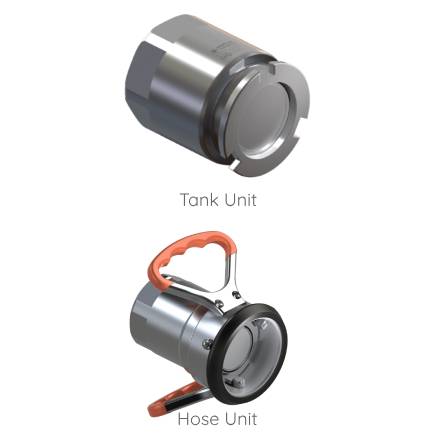
Fittings and couplings are critical for safe and efficient use of basic level composite hoses. Fuel Flex provides:
- Barret Couplings: 12-tooth green for petrol, 18-tooth yellow for diesel; intuitive colour coding for safety.
- Camlocks: Types A–F, DC & DP; materials include aluminium, brass, polypropylene, and stainless steel.
- Quick Connects, Break Away Couplers, Gravity Drop Couplers
- Sight Glass, Rubber Bellows, Hammer Lug Unions, Storz Couplers
Proper coupling selection ensures leak-free operation, reduces hose wear, and enhances safety in fuel and chemical transfer.
Installation Guide for Basic Level Composite Hoses
- Determine Hose Requirements: Fluid type, pressure, temperature, and length must match the selected basic level composite hoses.
- Inspect Hose Ends: Check for damage, dirt, or deformations prior to assembly.
- Attach Fittings Correctly: Use Barret, camlock, or quick-connect couplings.
- Conduct Pressure Test: Use Fuel Flex mobile or in-house testing to confirm hose performance.
- Label and Document: Record hose type, EN/SANS certification, installation date, and inspection schedule.
Maintenance and Best Practices
Maintaining basic level composite hoses ensures long-term performance and compliance:
- Inspect hoses regularly for abrasion, cuts, or chemical degradation.
- Perform hydrostatic and electrical conductivity tests periodically.
- Flush hoses after chemical or fuel transfer.
- Store hoses in shaded, dry areas away from UV exposure.
- Schedule recertification to maintain EN/SANS compliance.
Regular maintenance reduces downtime, prevents leaks, and extends operational lifespan.
Industry Applications of Basic Level Composite Hoses

Petrochemical Industry: Safe transfer of petrol, diesel, and LPG, with EN/SANS certification for regulatory compliance.
Mining and Industrial Applications: Hoses built for abrasion resistance, high-pressure handling, and durability in tough environments.
Chemical Processing: Hoses resistant to solvents, acids, and aggressive chemicals, suitable for suction and delivery.
Food & Beverage Industry: FDA and BfR-compliant hoses for safe transfer of food-grade products.
Ports and Aviation: High-pressure, anti-static hoses compatible with fuel loading, unloading, and vapour recovery systems.
Fleet Fueling & Depots: Lightweight composite hoses reduce manual handling effort while maintaining safety and compliance.
Why Choose Fuel Flex

Fuel Flex is South Africa’s only EN-certified manufacturer providing basic level composite hoses with:
- Local manufacturing ensuring rapid turnaround and consistent quality
- EN and SANS 1518 compliance for safety and audit readiness
- Mobile and in-house testing services for quick certification
- Expert guidance on hose selection, installation, and maintenance
- Nationwide and international delivery within 24 hours
Fuel Flex combines cost efficiency with world-class quality to provide basic level composite hoses tailored to each client’s industry needs.
Conclusion
Fuel Flex’s basic level composite hoses provide:
- EN & SANS certified compliance
- Durability, flexibility, and cost-effectiveness
- Safe handling of fuels, chemicals, and industrial fluids
- Expert support and mobile testing services
Industries across South Africa trust Fuel Flex for basic level composite hoses that combine affordability, safety, and reliability.